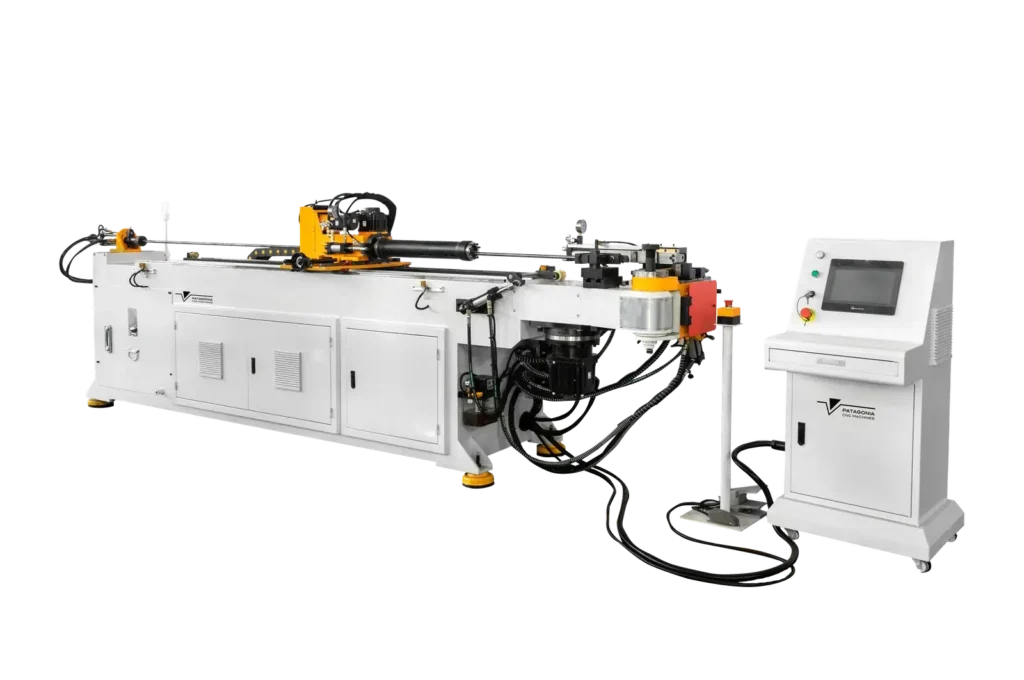
CNC Pipe Bending vs Manual Bending: When Should You Automate?
Accuracy, repeatability, multi-bend 3D parts and operator skill: how a CNC pipe bender compares with manual bending, and when to automate.

 |
Contact us
info@patagoniacnc.com |
Pedro Molinari leads Patagonia CNC Machines in the United States from Centre, Alabama, helping fabrication shops choose and run laser cutting, laser welding and bending equipment.

Accuracy, repeatability, multi-bend 3D parts and operator skill: how a CNC pipe bender compares with manual bending, and when to automate.

When a collaborative welding robot beats a full robotic cell, and when it doesn’t: high-mix work, teaching by hand, installation and output.
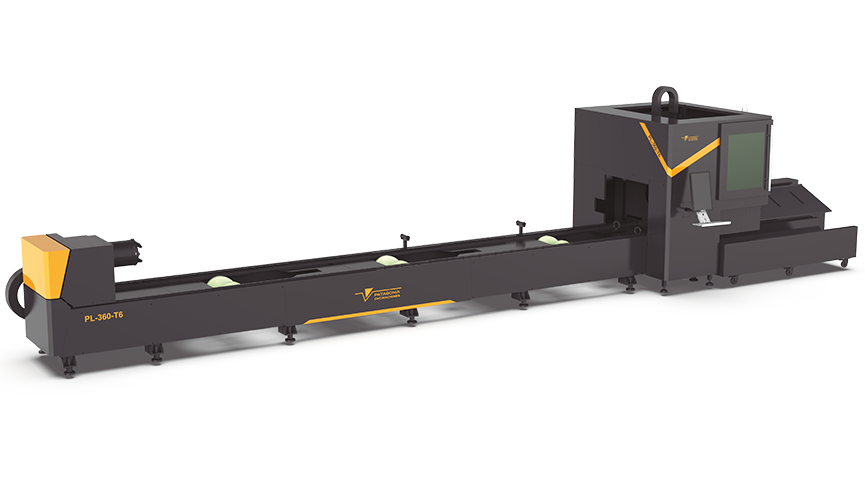
One machine instead of a saw, a drill press and a notcher: how a fiber tube laser cuts, holes, notches and bevels tubes in a single setup.
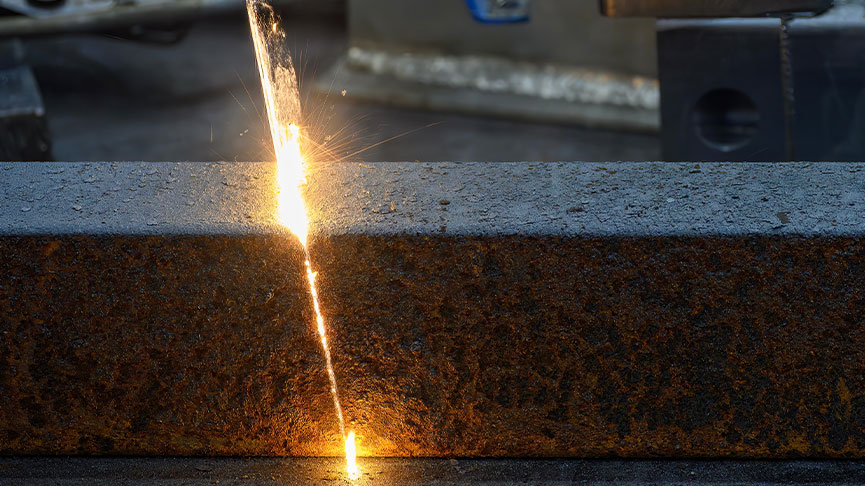
No media, no chemicals and no grit: how laser cleaning compares with sandblasting for rust removal, paint stripping and weld preparation.
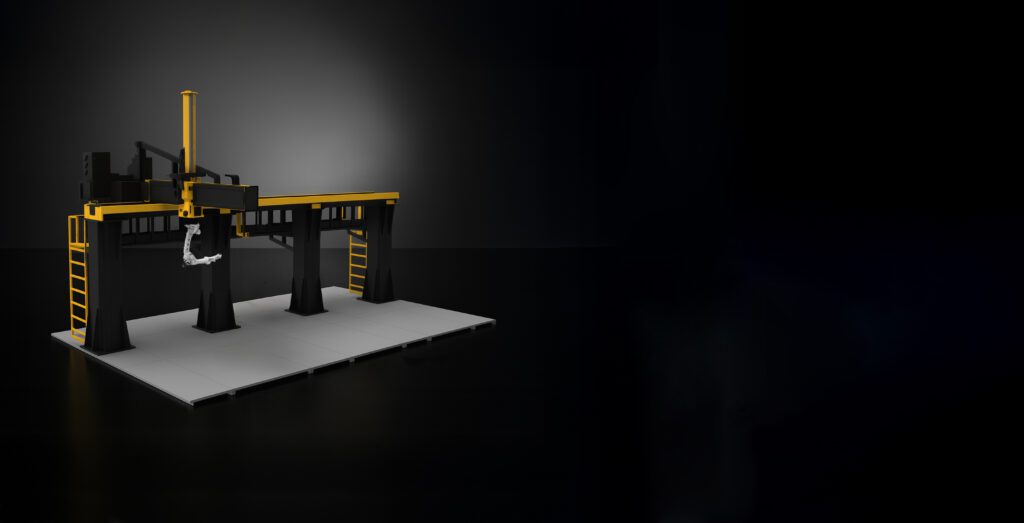
How gantry and track-mounted welding robots weld beams, columns, trailers and large structures, and how AI software removes robot programming.

The signs your shop is ready for robotic welding, how to estimate the payback and which cell fits your parts.
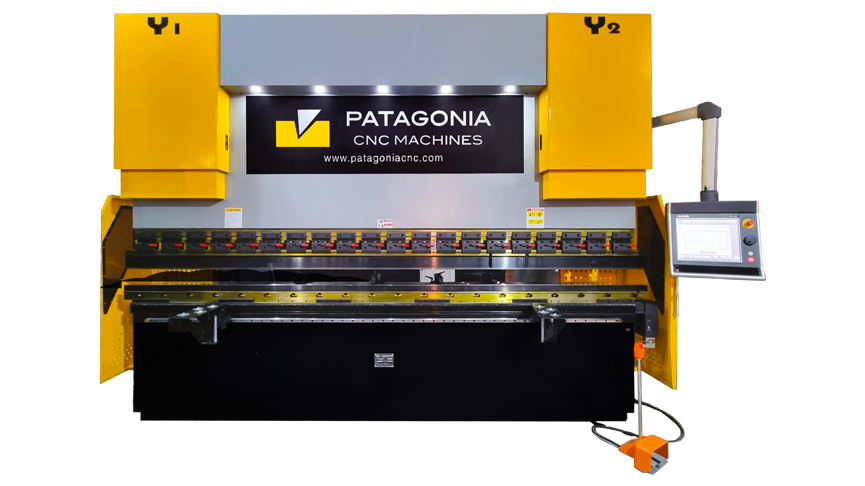
The tonnage formula, a chart for mild steel, material factors and the mistakes that cost you capacity, plus how to choose the right press brake.

Maximum cutting thickness by laser power, with oxygen/nitrogen and with compressed air, and how to choose the right power for your shop.
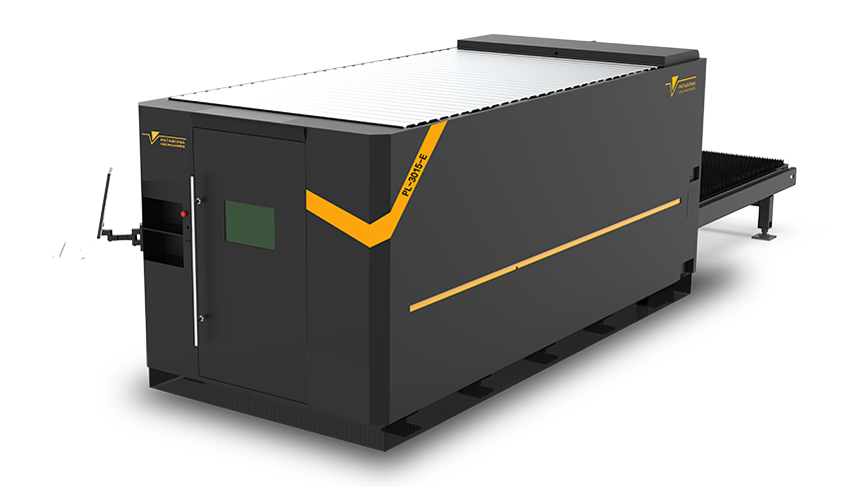
Precision, edge quality, thickness range and the hidden cost of finishing: how fiber laser cutting compares with plasma.
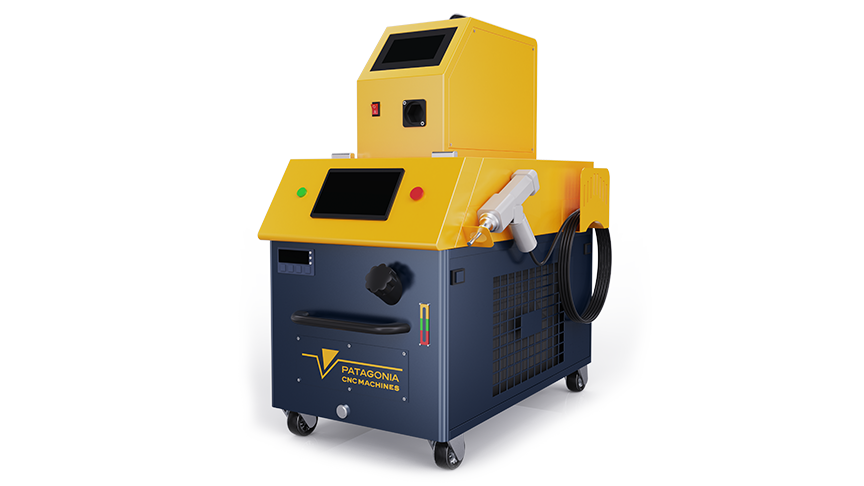
Faster welds, less distortion and almost no grinding: how handheld laser welding compares with MIG and TIG.